Orchestrate your agents
like a Grand Cru

Pinard runs fleets of AI agents as semi-deterministic loops — deterministic runbooks that drive non-deterministic agents — coordinated across many repositories and machines, and remembering what they learn.

Scroll

The Estate

Great software, like great wine,
is the art of the blend

Pinard is named after the French slang for everyday wine — unpretentious, honest, gets the job done. It brings winemaking metaphors to multi-repo development: your workspace is a vignoble (wine estate), each repository is a vigne (vine), and coordinated changes flow through cuvée branches before reaching main. A régisseur conducts the whole estate, a maître leads each parcelle (workstream), and vendangeurs bring in the harvest. One conductor. Many agents. One harvest.

Underneath the metaphor, Pinard is an engine: it wraps every agent in a semi-deterministic loop — where the control flow is code and only the work inside a step is left to the model — so agent work is reliable, resumable, and auditable. Three pillars hold it up.

Deterministic control · Non-deterministic agents · Persistent memory

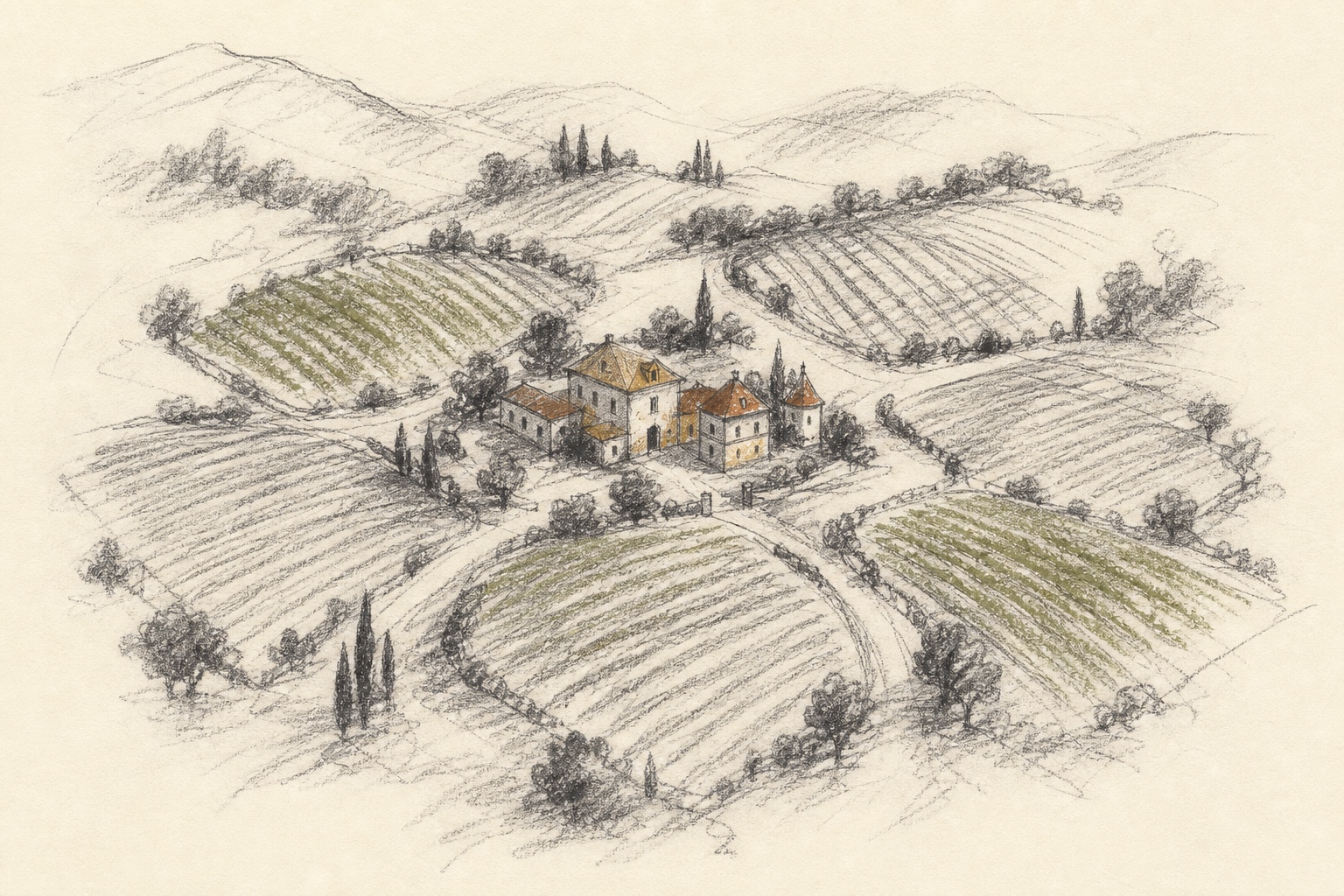
A wine estate divided into distinct vineyard parcels around one central manor
01

The Vignoble

Your workspace
is an estate

A vignoble is a wine estate — a landscape of vines tended by one winemaker. In Pinard, your vignoble is the collection of all repositories you manage, defined by a single vignes.yaml at the root. Each repository is a vigne — its own soil, its own character, tended by agents who understand its terroir.

Every great vineyard begins with knowing your land.
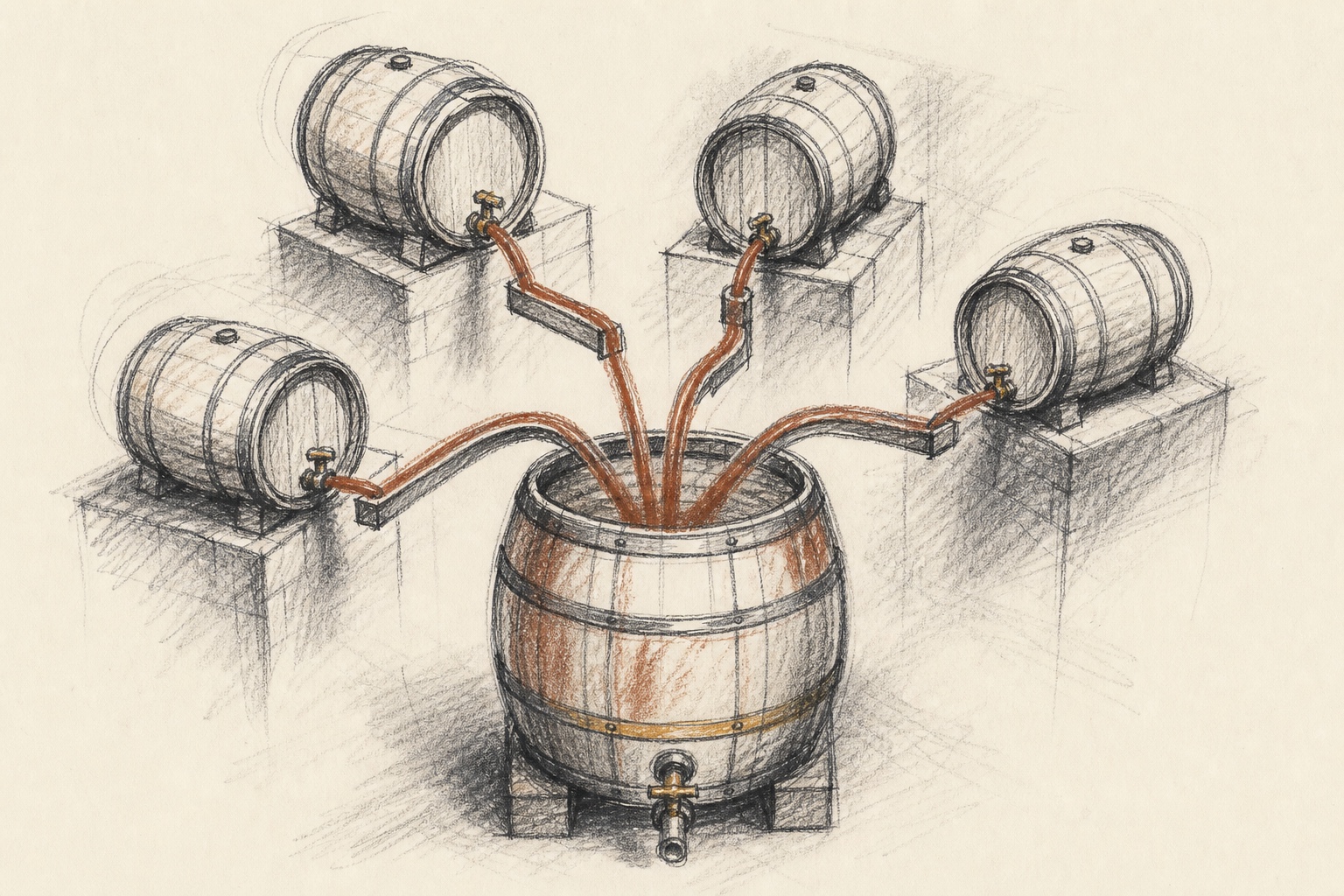
Several source barrels feeding one central blending cask
02

The Cuvée

Blending agents
into a cuvée

When multiple AI agents work on the same repository, their concurrent merge requests can create conflicts — like fermenting barrels that can't be combined too early. Pinard's cuvée strategy routes all agents through an intermediate branch, letting each barrel age in sequence before the final assemblage to main.

The cuvée is not a compromise. It is the art of the blend.
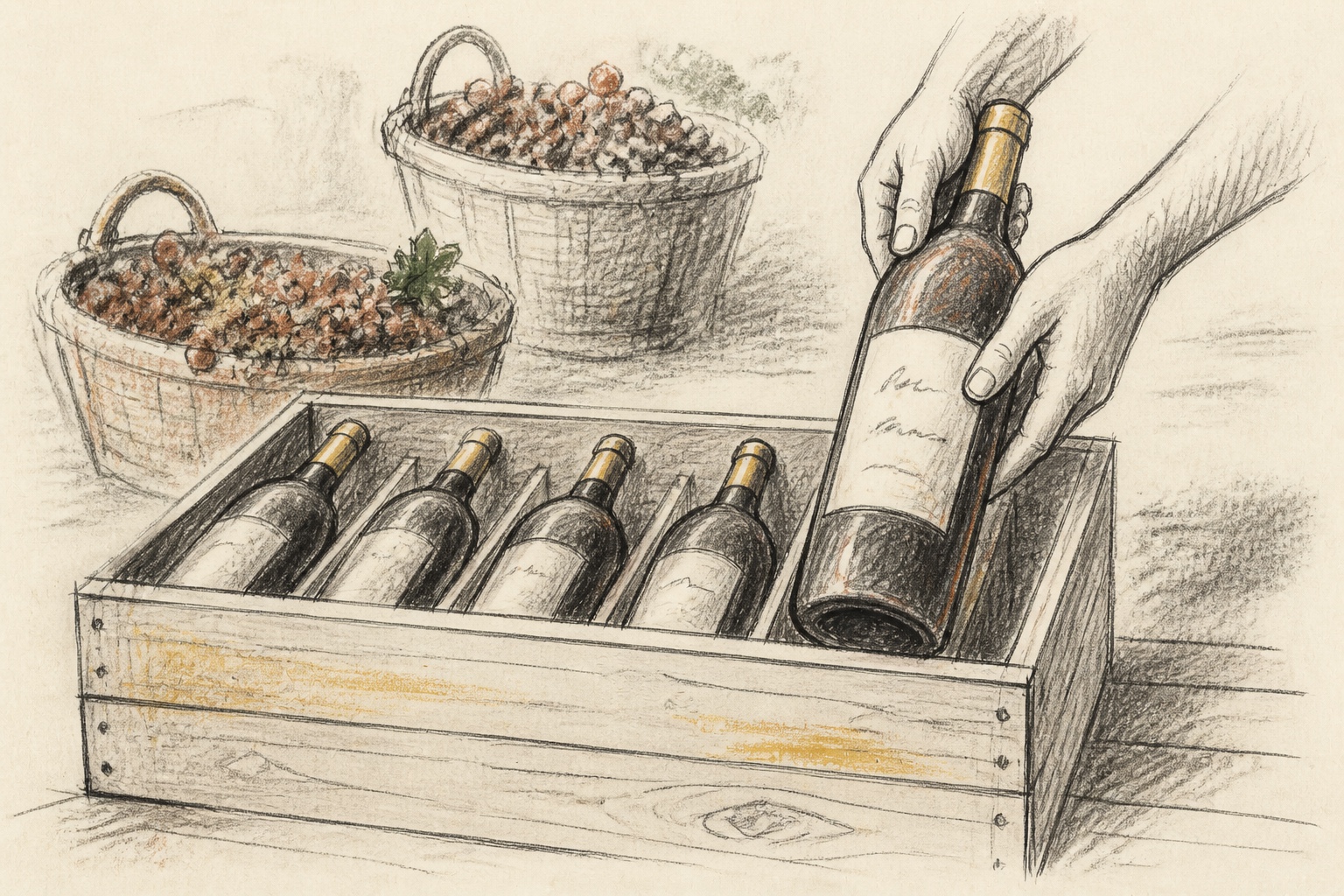
A final bottle being placed into a completed harvest crate
03

La Récolte

Every agent
works toward harvest

The récolte — the harvest — is the moment a loop's work lands: code merged, a pipeline run, data shipped, and the vintage bottled. For code loops, Pinard's MR watcher monitors every open merge request, forwards review comments to the right agent, triggers auto-merge when quality gates pass, and cleans up sessions when the harvest is done.

Patience and precision. The harvest does not rush.
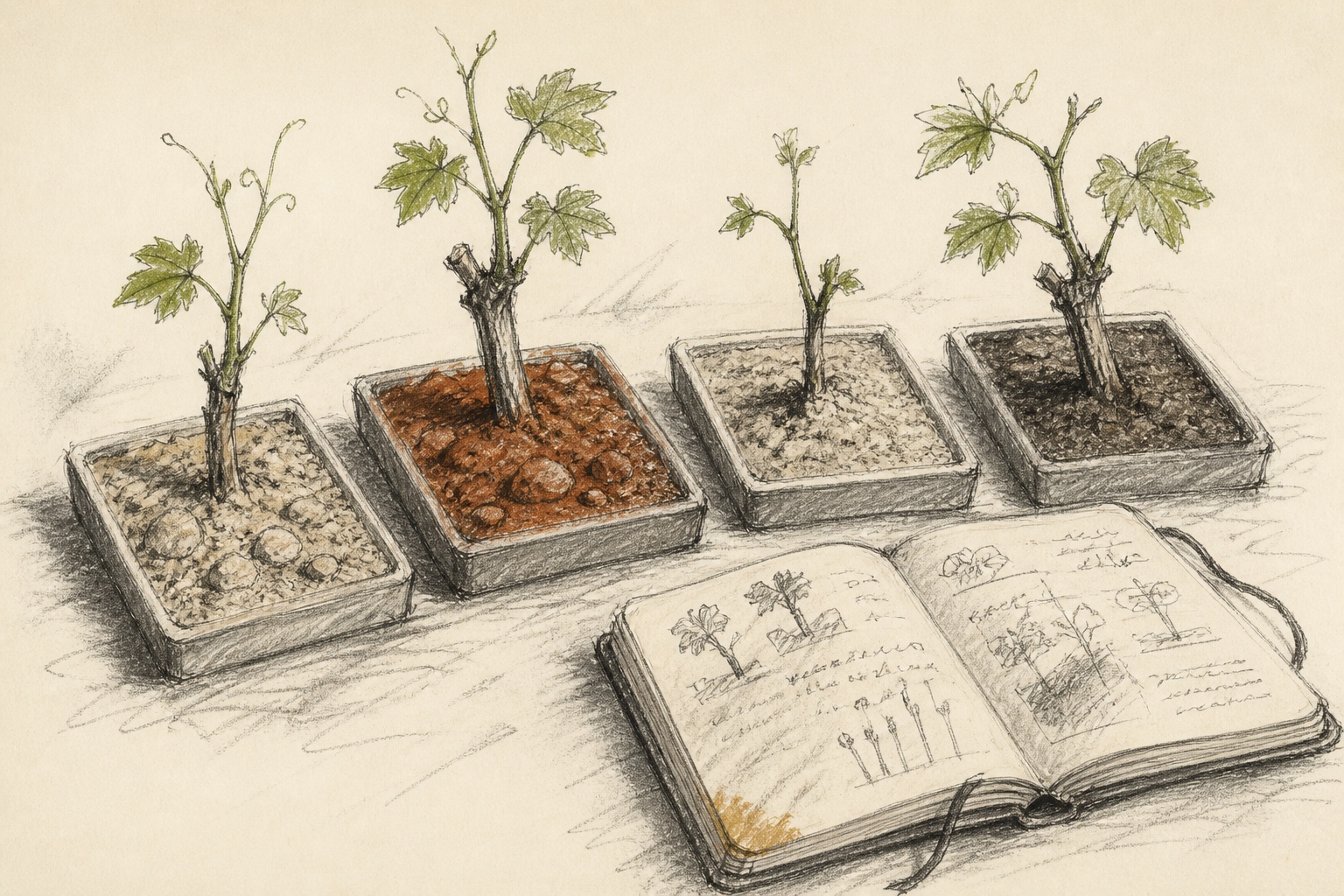
Vine cuttings growing in distinct soil samples beside a field notebook
04

Le Terroir

Each repo has
its own terroir

In winemaking, terroir is the sum of soil, climate, and tradition — the invisible hand that shapes every grape. In Pinard, terroir lives in VIGNE.md: per-repo instructions loaded into every agent's context. Run these tests. Follow these conventions. Never touch these files. The agent inherits the character of the land.

You cannot fake terroir. It must be lived and passed on.

The Cellar

What's in the bottle

The Engine

Semi-Deterministic Loops

Runbooks as code: ordered, checkpointed, resumable agent steps — the core of Pinard. Deterministic control, model steps only where judgment is needed.

Independent Agents

One Pi agent session per task. Each agent works in isolation, aware of its vigne's terroir via VIGNE.md.

Persistent Memory

Local-first, curated, portable memory. Agents remember decisions, fixes, and lessons across sessions — the estate learns instead of relearning.

Distributed — Les Domaines

One conductor orchestrating agents across machines, clusters, and cloud — remote and HPC workers already run over NATS.

Orchestration & Control

Parcelles & the Crew

Group work into workstreams, each with its own conductor — a régisseur / maître / vendangeur crew that scales to many parallel efforts.

Live Terminals & Control Room

Watch — or steer — any agent's live session from the browser, streamed over NATS. No SSH, even for remote and HPC workers.

Scheduled Harvests

Cron-driven agent spawns for nightly linting, weekly dependency updates, daily security audits.

The SWE Vintage — built-in loop for software development

Issue-Driven Work

Assign a GitLab issue and a vendangeur spawns itself, does the work, opens an MR, and handles review — hands-free.

OpenSpec Dispatch

Author an OpenSpec change (proposal + task checklist), then turn it into GitLab issues and spawned agents with one command.

Cuvée Branching

Batch concurrent MRs through an intermediate branch when agents target the same repository.

Auto-Merge & Watch

MRs merge when approved and CI passes. Post-merge pipelines monitored for failures.

Review Forwarding

MR review comments routed back to the right agent. Agents stay alive to address feedback.

Pipeline Retry & Recovery

Failed MR pipelines return to the same vendangeur for a bounded repair loop. Repeated failure trips the circuit breaker.

The best code, like the best wine, is not the result of a single hand — but of many, working in concert, guided by a conductor who knows when to intervene and when to let the process breathe.

The Pinard Philosophy

Ready to uncork your vignoble?

Pinard runs wherever you have Pi and GitLab. Start with a single vigne, grow to an entire estate.